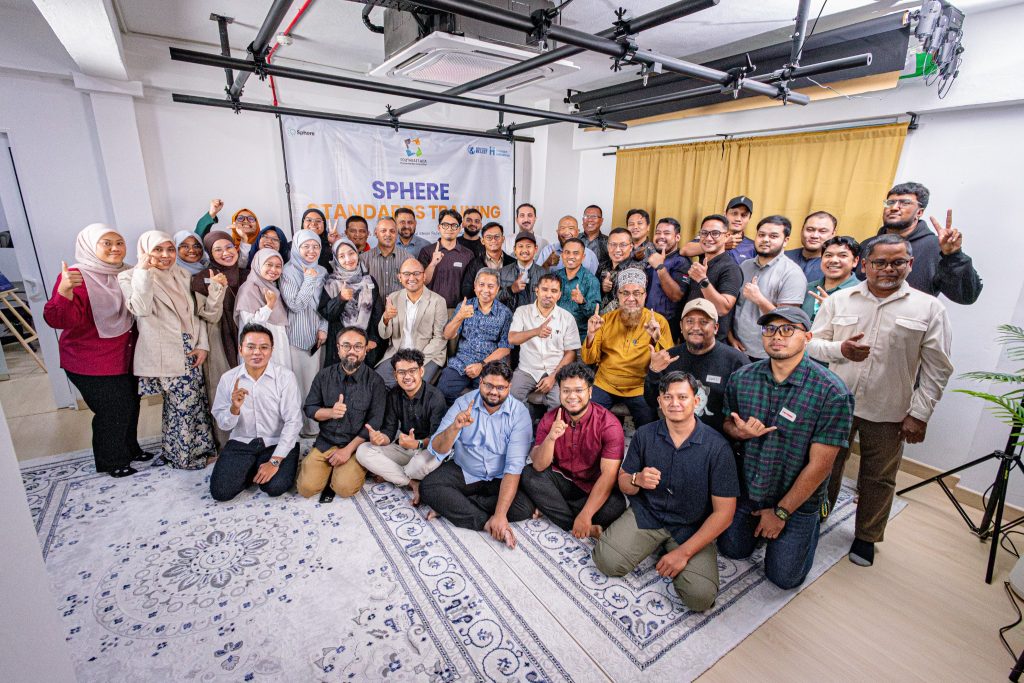
22 October 2026 — Global Peace Mission (GPM) Malaysia continues to strengthen the knowledge and capabilities of its team through the participation of two representatives in a three-day Sphere Standards Training held from 20 to 22 October 2026 at the Global Ehsan Relief Training Centre, Malaysia.
The training brought participants together to explore the principles and minimum standards that guide humanitarian organisations in providing assistance to communities affected by disasters, conflict and other crises.
For GPM Malaysia, the programme was an opportunity to deepen its representatives’ understanding of how humanitarian assistance can be planned and delivered with greater attention to the needs, rights and dignity of affected people.
Understanding the Sphere Standards
The Sphere Standards provide humanitarian practitioners with a practical reference for improving the quality of assistance and strengthening accountability to the people they serve.
During the training, participants were introduced to humanitarian principles and discussed how these principles can be applied in real-life situations. The sessions encouraged participants to look beyond the immediate distribution of aid and consider whether a response is appropriate, accessible and responsive to the needs of different groups within a community.
Participants also explored the importance of assessing needs, understanding the local context and involving affected communities in decisions that concern them. These considerations are essential in helping humanitarian organisations plan assistance that supports people safely and with dignity.
Exploring Key Areas of Humanitarian Response
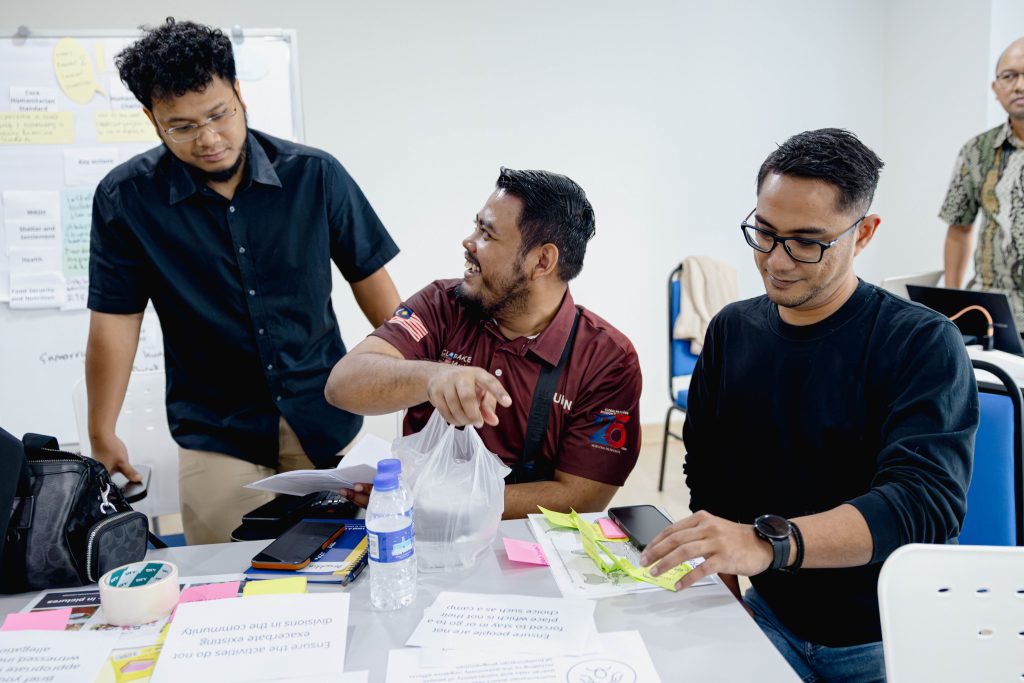
The programme covered several technical areas commonly addressed during humanitarian emergencies, including water supply, sanitation and hygiene promotion (WASH), food security and nutrition, shelter and settlement, and health.
In the WASH sessions, participants learned about the importance of safe water, sanitation and hygiene in reducing health risks during emergencies. Discussions included pathways through which diseases can spread and the role of practical measures in protecting affected communities.
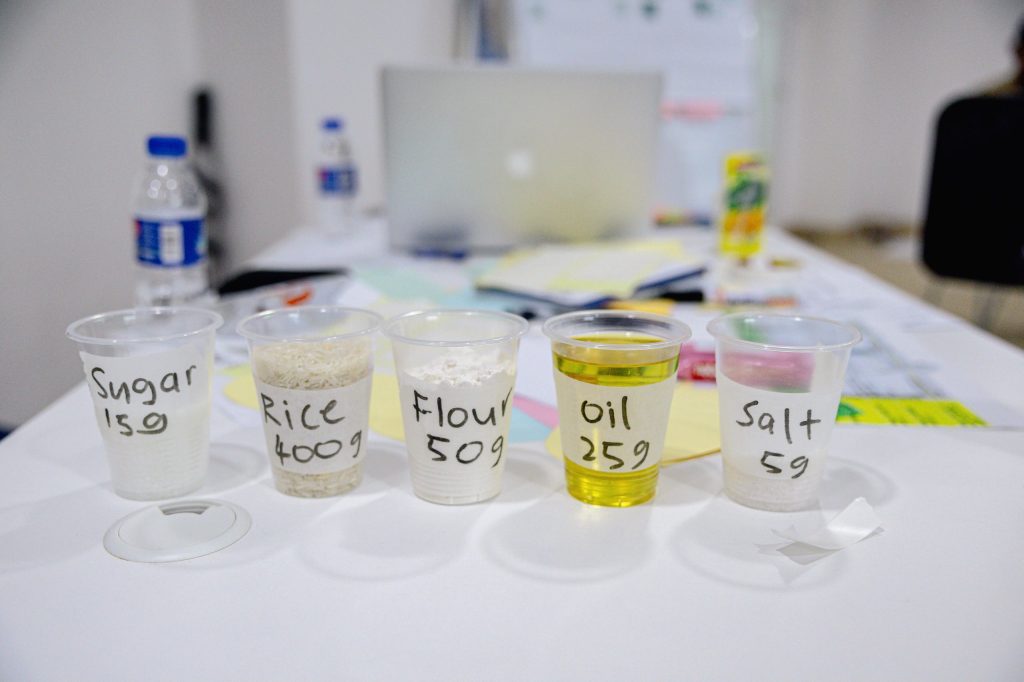
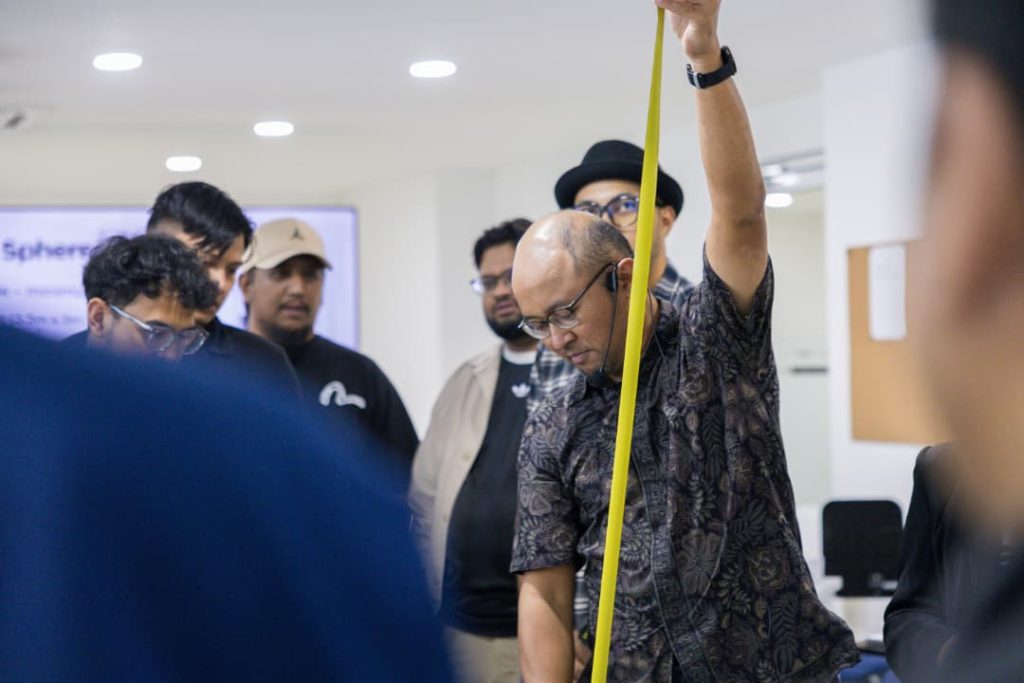
The food security and nutrition sessions highlighted the need to consider nutritional requirements when planning food assistance. Participants also took part in exercises involving the calculation of food supplies, helping them understand how humanitarian standards can inform decisions about the quantity and suitability of aid.
The shelter and health discussions encouraged participants to consider the wider needs of individuals and families affected by a crisis. These include safety, access to essential services and living conditions that support their health, privacy and dignity.
Learning Through Discussion and Practical Exercises
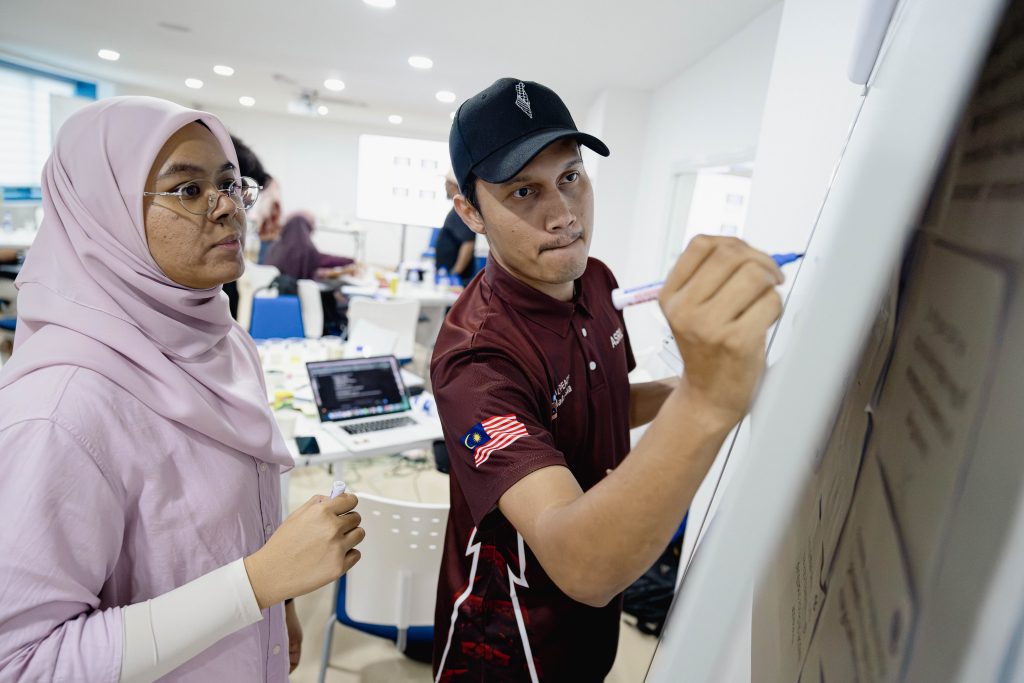
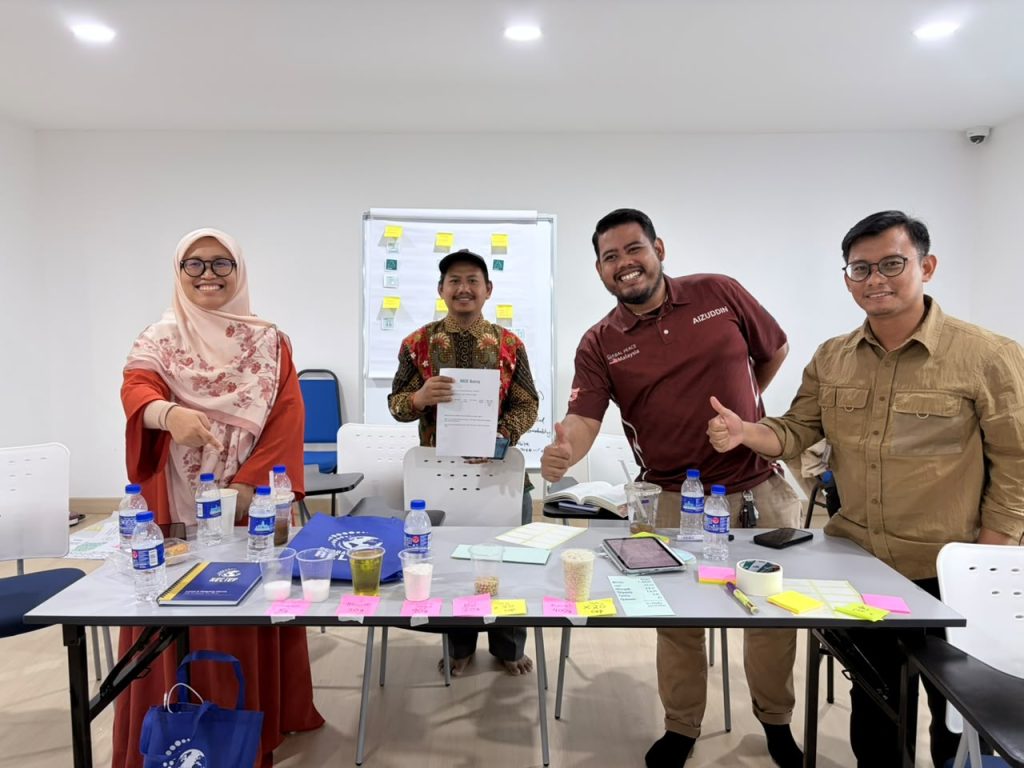
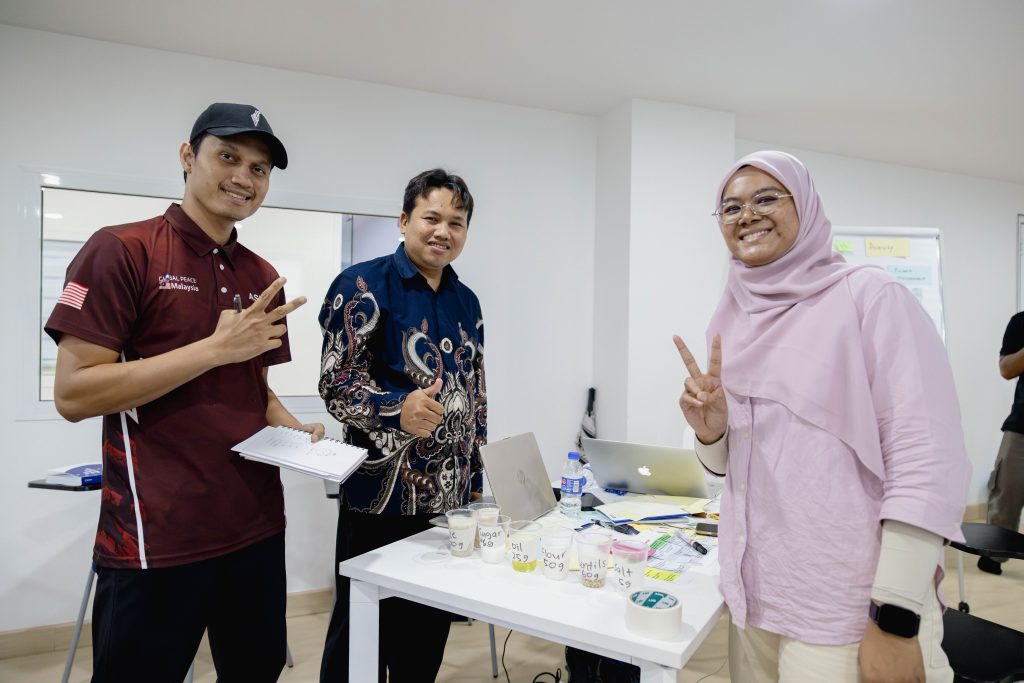
A key feature of the training was the opportunity for participants to apply their learning through group discussions, case studies and practical activities.
By examining different humanitarian scenarios, participants reflected on the challenges that can arise during emergency operations, including limited resources, difficult conditions and the need to coordinate among multiple organisations and stakeholders.
The discussions also highlighted how poorly coordinated assistance can create confusion and additional risks for affected communities. Participants considered the importance of clear communication, careful planning and a better understanding of community needs in delivering an organised response.
These exercises provided an opportunity to connect humanitarian standards with the realities of field operations and to reflect on how the principles can be put into practice.
Strengthening Accountability to Communities
The training also reinforced that effective humanitarian action involves more than delivering immediate relief. It requires organisations to remain accountable to the people they serve and to recognise affected communities as active participants in the response.
Listening to communities, providing clear information and creating opportunities for feedback can help organisations identify gaps and improve the assistance they provide. The training encouraged participants to consider how these practices can be incorporated throughout the response process, from assessment and planning to implementation and review.
For GPM Malaysia, these lessons are relevant to its ongoing efforts to support communities through humanitarian missions and development initiatives. Strengthening the team’s understanding of humanitarian standards can contribute to more informed planning and better coordination in future programmes.
Appreciation to the Organisers
GPM Malaysia extends its sincere appreciation to SEAHUM Team and Global Ehsan Relief for organising the Sphere Standards Training and providing a valuable platform for learning, discussion and the exchange of experiences.
We also thank the facilitators and participants for their contributions throughout the three-day programme. The knowledge shared and connections formed during the training will support continued learning and collaboration within the humanitarian community.
GPM Malaysia remains committed to building the capacity of its team and strengthening its humanitarian efforts so that assistance can be delivered with care, accountability and respect for the communities it serves.